

 By
By The local trains in Mumbai are often called the lifeline of the city because millions of people use them every day to travel to work and back home. However, recent news from the Western Railway section between Mira Road and Vaitarna has brought forward a very sad and worrying situation. According to a recent report, many people are losing their lives while crossing the railway tracks or falling from crowded trains. This area has become a major spot for accidents, and the rising death toll is making commuters and families very anxious about railway safety.
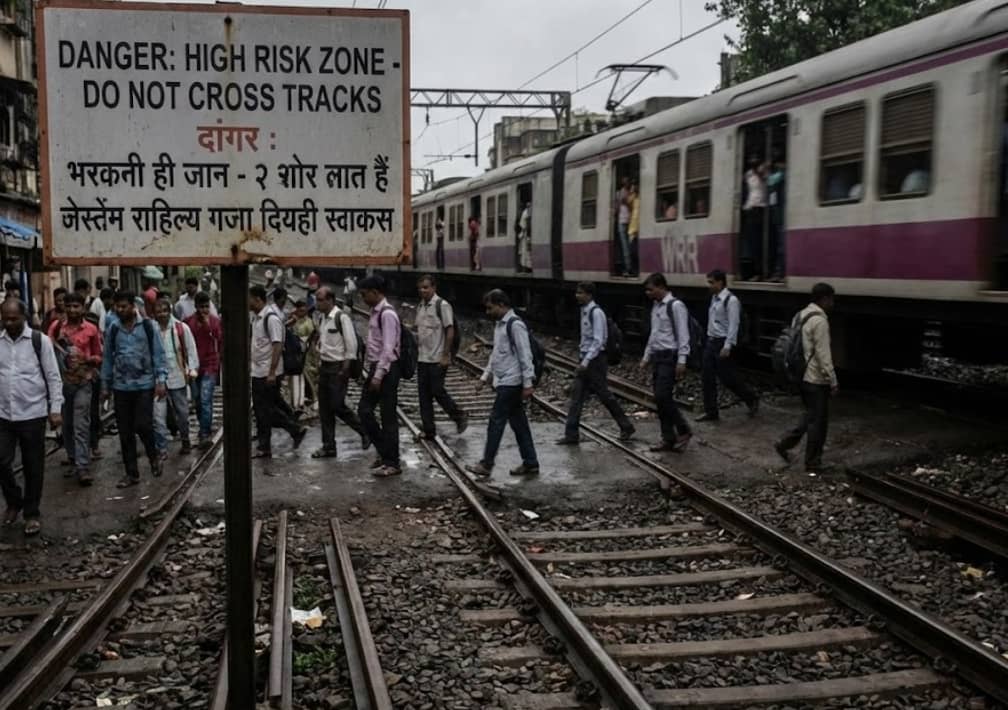
The stretch of railway between Mira Road and Vaitarna is very busy because it connects the distant suburbs to the main city of Mumbai. As the population in areas like Vasai, Virar, and Palghar grows, more people are using these trains. Unfortunately, the infrastructure has not kept up with the huge number of passengers. The report highlights that in a short period, a large number of people have died in various railway-related mishaps. Most of these accidents happen because people try to cross the tracks instead of using the foot overbridges. Sometimes, the bridges are too far away or too crowded, which leads people to take a dangerous shortcut across the tracks.
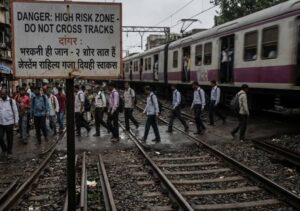
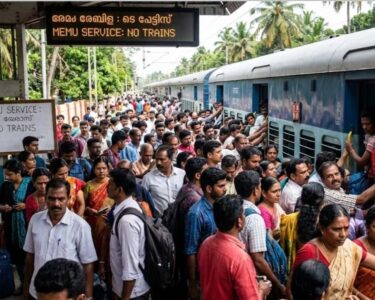
Another big reason for these deaths is the extreme crowding inside the local trains. During peak hours in the morning and evening, the trains are so full that people have to hang outside the doors. This is very dangerous because even a small jerk or a slip can cause a person to fall off the moving train. In the Vasai-Virar region, the gap between the platform and the train is also a problem at some stations. Passengers, especially elderly people and children, find it difficult to board or get off the train safely. When people are in a hurry to catch a train, they often lose their balance and fall into the gap, which leads to serious injuries or even death.
The railway police and authorities are trying to spread awareness among the public. They constantly tell people not to cross the tracks and to use the bridges provided at every station. However, many activists believe that just giving advice is not enough. They say that the railways need to build more bridges and tall fences between the tracks so that people cannot cross them easily. There is also a strong demand for increasing the number of train services. If there are more trains, they will be less crowded, and people will not have to risk their lives by hanging outside the doors.
The safety of passengers should be the top priority for the Western Railway. Every life lost on the tracks is a huge tragedy for a family. Many of those who die are young people who are the only earners for their homes. While the government is working on big projects like the Bullet Train and new metro lines, the common man still relies on the local train every single day. Therefore, improving the safety of the current local train network is very important. Better lighting at stations, more security guards to manage the crowd, and faster construction of overbridges can help reduce these accidents.
In conclusion, the high number of deaths on the Western Railway tracks near Vasai and Virar is a serious issue that needs immediate attention. It is a combination of poor infrastructure, extreme crowding, and a lack of safety awareness among some passengers. Both the railway authorities and the public need to work together to make the journey safer. Passengers must promise to follow safety rules and avoid taking risks on the tracks, while the railway department must provide better facilities to handle the growing number of commuters. Only then can we hope to see a decrease in these painful accidents and make the Mumbai local train journey safe for everyone.
Rising fatalities on Western Railway’s Mira Road–Vaitarna stretch have raised serious safety concerns. Overcrowded trains, track crossing, and infrastructure gaps are major causes of accidents in the Vasai–Virar region. Experts urge better crowd management, more foot overbridges, fencing, and increased train frequency to reduce risks and improve commuter safety on Mumbai’s suburban network.