

 By
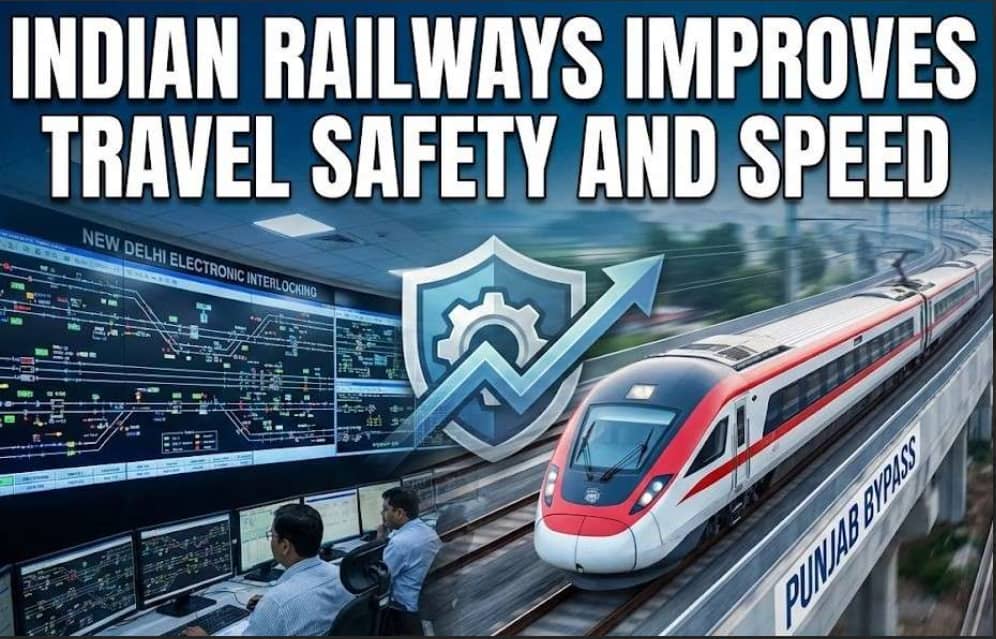
By Indian Railways is working hard to make train travel better for everyone by introducing new technology and better routes. Recently, two major projects have been completed that will help trains run faster and more safely in the northern part of the country. One project is the installation of a modern electronic interlocking system in Delhi, and the other is a new bypass line in Punjab. These changes are part of a big plan to modernize the railway network and reduce the time passengers spend waiting on tracks.
The first big improvement happened at the Delhi Safdarjung railway station where a new electronic interlocking system was put into place. In the past, older systems used manual levers or older mechanical parts to change tracks for trains. The new electronic system uses computers to control the signals and the points where tracks meet. This technology is much safer because it reduces the chance of human mistakes and ensures that two trains cannot be on the same track at the same time. Because the computer handles everything quickly, trains can now enter and leave the station much faster than before.
Along with the safety upgrade in Delhi, a very important railway bypass has been opened in the state of Punjab. This bypass is located near the Rajpura and Patiala area and is designed to help freight trains and long-distance passenger trains move without getting stuck in traffic. Usually, many trains have to go through busy city stations which causes them to slow down or wait for a platform to become free. By using this new bypass, trains can go around the crowded areas. This saves a lot of time for people traveling long distances and helps goods reach their destinations much quicker.
These two projects together mean that the capacity of the railway has increased significantly. Capacity means that the tracks can now handle more trains every day without causing delays. When trains move smoothly, it helps the whole country because people can get to work on time and businesses can move their products easily. The Indian Railways officials mentioned that these upgrades are necessary because the number of people traveling by train is growing every year. By using better technology like electronic interlocking, the railway can manage this growth while keeping everyone safe.
Passengers will notice that their journeys are becoming more reliable because of these infrastructure changes. When signals are controlled by computers, there are fewer technical failures that usually cause trains to stop in the middle of nowhere. Also, the new bypass in Punjab will help reduce the “bottleneck” effect where too many trains try to use the same small section of track at once. This is especially good for travelers going toward Jammu or Amritsar as they often face delays in the northern regions.
The government is investing a lot of money into these types of projects across India. The goal is to make the Indian Railways one of the most advanced transport systems in the world. While building these new lines and installing computers takes a lot of effort and time, the benefits for the public are very large. Travelers can look forward to a future where train journeys are not just about reaching a place but enjoying a fast and worry-free experience. These improvements in Delhi and Punjab are just the beginning of many more updates planned for the coming years.
Indian Railways has upgraded safety and speed with a new electronic interlocking system at Delhi Safdarjung station and a rail bypass in Punjab near Rajpura-Patiala. The modern signaling system improves operational safety and reduces delays, while the bypass eases congestion for freight and long-distance trains. These upgrades enhance network capacity, improve punctuality, and support faster train movement across northern India.