
 By
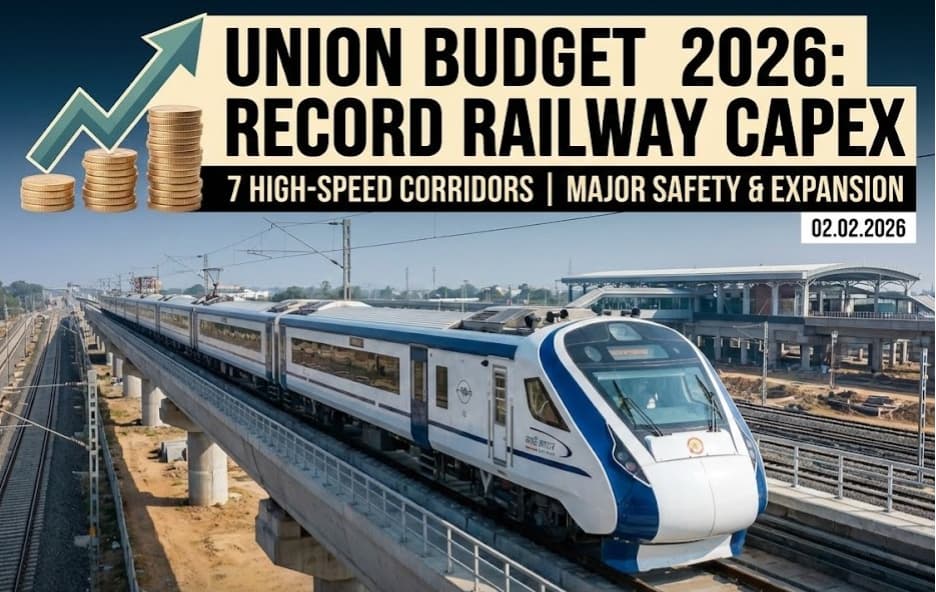
By In the Union Budget 2026, the Indian Railways was given the highest capital budget ever. The total capital expenditure (capex) allocation stands at around ₹2.93 lakh crore for the financial year 2026–27. This means the government is investing a lot to build and improve railway systems across India. This money will be used for many things, such as, building new rail lines, converting tracks to improve connectivity, doubling existing lines to reduce delays, buying new rolling stock like coaches and engines and improving safety systems like signaling and technologies that prevent accidents.
New High-Speed Rail Corridors
One of the biggest announcements in the Budget was the plan to build seven high-speed rail corridors. These are long-distance express routes where trains will run much faster than today. They are designed to connect major cities and boost economic development. The high-speed corridors announced include Mumbai–Pune, Pune–Hyderabad, Hyderabad–Bengaluru, Hyderabad–Chennai, Chennai–Bengaluru, Delhi–Varanasi And Varanasi–Siliguri. These corridors are expected to greatly reduce travel time. For example, a journey that takes many hours by regular trains could take only a few hours on high-speed lines. Faster trains will make travel easier for passengers and help freight move quickly too.
Focus on Railway Safety
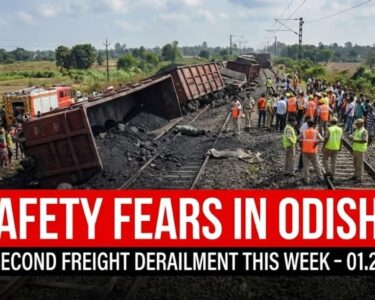
Safety has been made a very high priority in this year’s Budget. Railways plans to spend more on track upgrades, advanced signaling systems, and new safety technologies like Kavach 4.0, which can automatically stop a train to avoid collisions. The government says that investing in safety will help reduce accidents and make train travel more secure for everyone. A large part of the budget will support renewing tracks, modernizing signaling and telecom systems, and installing safety equipment across the network.
More Money for Expansion Projects
The increased budget will fund many infrastructure projects like, Building New Lines, Gauge Conversion, Doubling Tracks and Rolling Stock. These improvements help reduce waiting times, increase train speed, and allow more trains to run each day.
Electrification and Green Railways
The Budget also supports the ongoing electrification of railway tracks. Electrification means running trains on electricity instead of diesel engines. This is good for the environment because electric trains pollute less and are often faster and cheaper to run. A significant amount of money is set aside to continue this work and to improve electric power systems on many routes.
Better Rolling Stock and Passenger Comfort
The railways will invest in rolling stock, which includes trains, coaches, wagons, and engines. This means better, safer, and more comfortable trains for passengers. More coaches can help reduce crowding, especially during peak travel times. There are also plans to produce and introduce advanced train types like Vande Bharat Sleeper trains on longer routes, which will provide faster and more comfortable travel compared to older express trains.
Focus on Freight and Economy Growth
The Budget also includes plans for freight corridors that will help move goods faster and at lower cost. One example is the announcement of the East-West Dedicated Freight Corridor. These dedicated freight lines help India’s industries and farmers by transporting goods faster between regions. This focus supports economic growth, job creation, and better trade across the country.
Union Budget 2026 allocates a record ₹2.93 lakh crore capital expenditure to Indian Railways, focusing on seven new high-speed rail corridors, major safety upgrades, expansion projects, electrification, and freight development. With investments in Kavach 4.0, dedicated freight corridors, new rolling stock, and Vande Bharat Sleeper trains, the government aims to modernize rail infrastructure, boost economic growth, and make travel faster, safer, and more efficient nationwide.