

 By
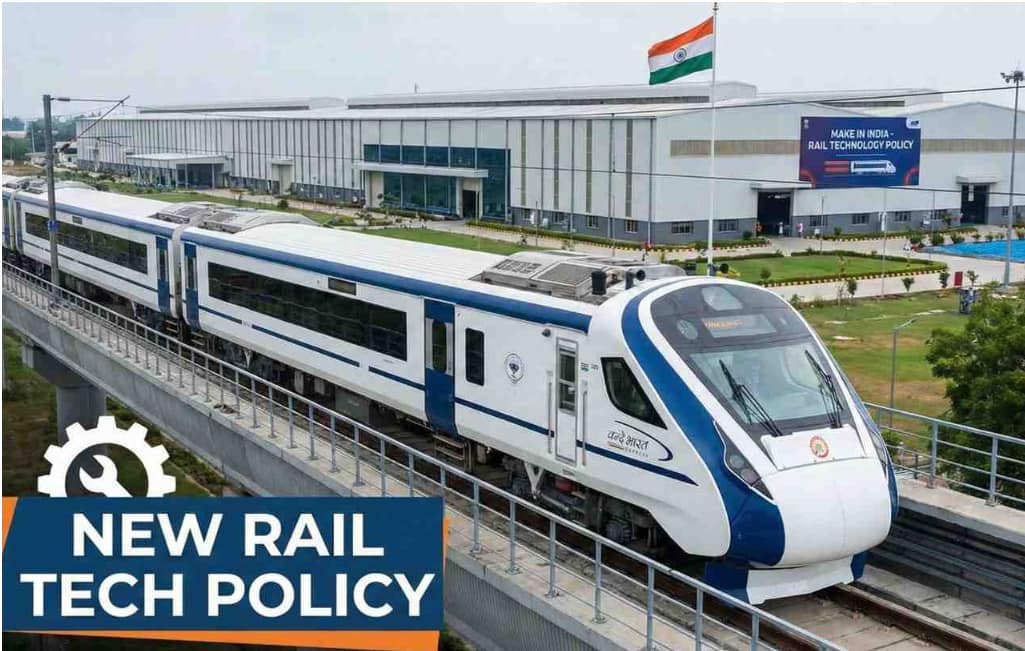
By The Indian government is currently working on a brand-new policy to improve railway technology and help local businesses grow. This new plan is called the Rail Technology Policy and it aims to make India a global leader in making train parts and advanced systems. By creating this policy the government wants to ensure that most of the technology used in our trains is made right here in India. This move is expected to create many new jobs and reduce the amount of money spent on buying expensive equipment from other countries.
One of the main goals of this new policy is to encourage domestic manufacturing through the Make in India initiative. The government wants to help Indian companies learn how to build high-tech components like advanced engines signaling systems and safety tools. Currently some of the most advanced parts for high-speed trains are brought in from abroad. With the new policy the government will provide support and better rules so that local factories can produce these items with the same high quality as international brands. This will make the Indian Railways much more independent and strong in the long run.
The policy also focuses heavily on research and development which means finding new and better ways to make trains run. The Ministry of Railways wants to work closely with top engineering colleges and private researchers to invent new technologies that are perfect for Indian conditions. For example they are looking for ways to make trains consume less electricity and run more quietly. This research will also help in making travel safer for the common man by developing better sensors that can detect problems on the tracks before an accident happens.
Another important part of this plan is to modernize the existing railway workshops and factories. Many of these facilities have been around for a long time and they need new machines and digital tools to work faster. By updating these workshops the railway can repair trains more quickly and build new coaches that are more comfortable for passengers. The policy will also look at using artificial intelligence to monitor the health of trains in real time. This means that a computer can tell the engineers if a part is about to break so they can fix it before the train even starts its journey.
The government believes that this new policy will not only help India but also allow us to sell our train technology to other countries. Many nations are looking for affordable and reliable railway systems and India can become a major exporter if we master these new technologies. This would bring more money into the Indian economy and improve our reputation as a center for high-tech engineering. The Railway Minister has indicated that the final details of this policy will be shared soon after consulting with experts and industry leaders.
Overall the new Rail Technology Policy is a big step toward a smarter and faster railway network. It shows that India is no longer just a user of technology but is now becoming a creator of it. For the common passenger this means that future train journeys will be safer, smoother and more frequent. As local manufacturing grows we can expect to see more advanced trains like the Vande Bharat being built even faster. This policy is a clear sign that the future of Indian Railways is bright and full of modern innovation.
The government is drafting a new Rail Technology Policy to strengthen domestic manufacturing and modernize Indian Railways. The plan promotes Make in India, boosts research and development, upgrades railway workshops, and encourages use of advanced systems like AI-based monitoring. Aimed at reducing import dependence and increasing exports, the policy seeks to position India as a global leader in railway technology and innovation.