

 By
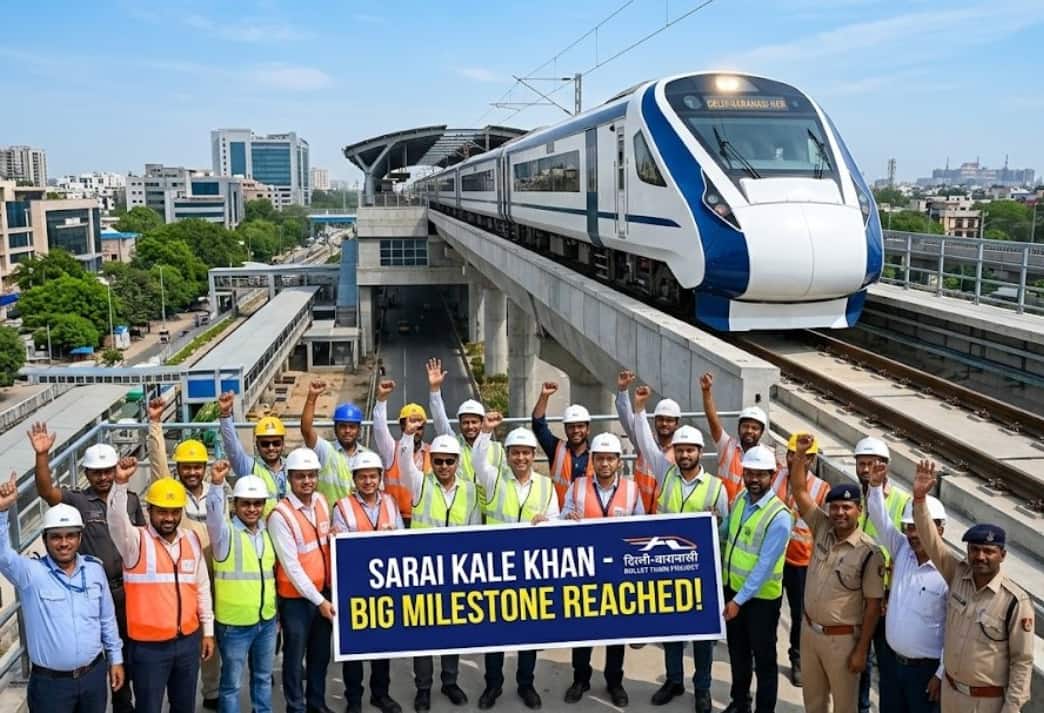
By The dream of traveling between Delhi and Varanasi in just a few hours is getting closer to reality. A major update has come regarding the High-Speed Rail corridor that will connect the national capital with the holy city of Varanasi. According to recent reports, the Delhi-Varanasi High Speed Rail corridor will officially terminate at the Sarai Kale Khan multimodal transport hub. This is a very important decision for the project because it means passengers will have a very easy time switching between different types of transport once they arrive or before they depart.
Choosing Sarai Kale Khan as the main station for the bullet train is a smart move by the transport authorities. This location is already a very busy and important part of Delhi. It serves as a meeting point for several different ways to travel. Currently, Sarai Kale Khan has a major railway station and a very large interstate bus terminal. It is also connected to the Delhi Metro network. By bringing the high-speed rail to this specific spot, the government is making sure that people coming from Varanasi or other cities along the route can quickly catch a bus or a metro train to reach their final destination in Delhi or the surrounding areas.
The Delhi-Varanasi High Speed Rail project is one of the most talked-about infrastructure plans in India. Traveling from Delhi to Varanasi usually takes many hours by regular train or by road. However, the new bullet train is expected to complete this long journey in a very short amount of time. This will save a lot of time for business travelers, tourists, and pilgrims who visit Varanasi throughout the year. The project involves building a special track where trains can run at very high speeds. Because these trains need a lot of space and special safety measures, choosing the right entry and exit points in a crowded city like Delhi is a difficult task.
The multimodal hub at Sarai Kale Khan is being developed to handle a large number of people every day. In the future, it will also be linked to the Regional Rapid Transit System which connects Delhi to cities like Meerut. Adding the bullet train station to this mix creates a massive travel center. Travelers will not have to worry about taking long rickshaw or taxi rides through heavy city traffic to change their mode of transport. Everything will be available in one single area. This kind of planning is common in big international cities, and now Delhi is adopting the same modern approach to help its citizens.
Building this corridor also means there will be more development along the route. Several cities in Uttar Pradesh will benefit from having a high-speed rail station. It will help local businesses grow and create new jobs for people living in those areas. The government is working hard to finish the surveys and the technical planning so that the construction can move forward smoothly. While there are still many steps left before the first train runs, fixing the terminal station at Sarai Kale Khan is a giant step forward.
In conclusion, the Delhi-Varanasi High Speed Rail corridor is set to change how we think about travel in North India. By ending the line at the Sarai Kale Khan multimodal hub, the project ensures that speed is matched with convenience. This project shows that India is moving fast toward a future where modern technology makes our daily lives easier. People are excited to see the work begin and look forward to the day they can board a fast train from Delhi and reach the Ghats of Varanasi in record time. This development is not just about a train but about making travel simple and accessible for everyone.
The Delhi–Varanasi High-Speed Rail corridor has reached a major milestone with Sarai Kale Khan finalized as its Delhi terminal. The station will integrate with metro, bus, and regional rail networks, ensuring seamless connectivity. The bullet train project aims to significantly cut travel time between Delhi and Varanasi, boosting regional mobility and economic development.