

 By
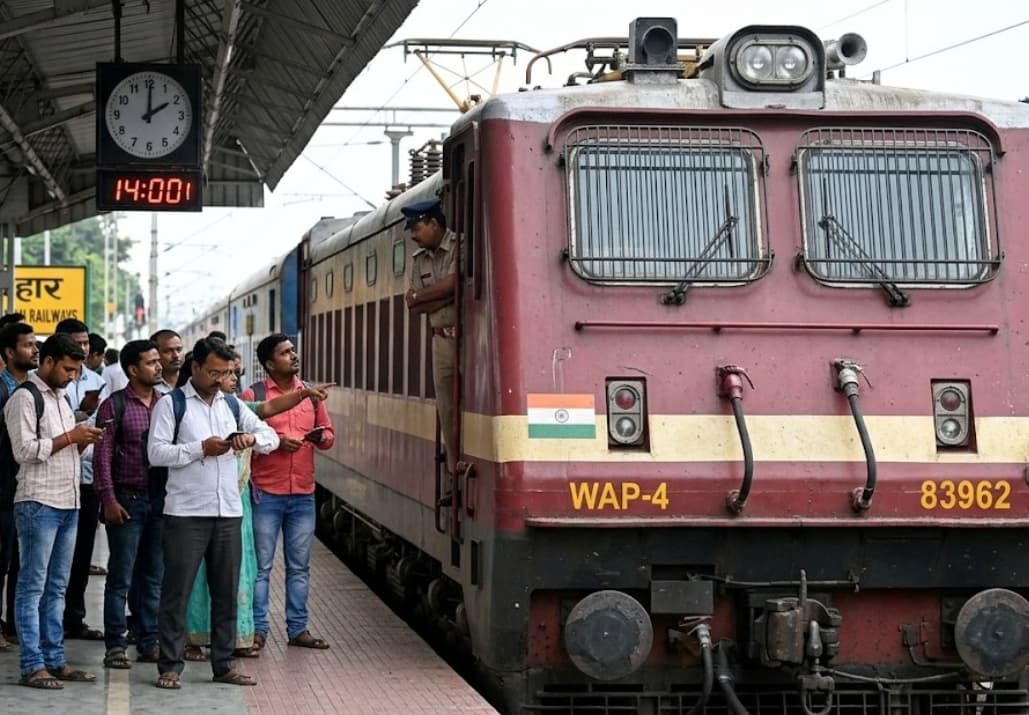
By A very unusual incident happened in Bihar recently that caused a lot of trouble for railway passengers. A train was forced to stop at the Kishanganj railway station for about three hours. The reason for this long delay was not a technical fault or a track issue. Instead, the train stopped because the loco pilot refused to work any more hours. The driver said that his duty time was over and he did not want to do any overtime work. This situation led to a lot of confusion and anger among the people traveling on the train.
The train involved in this incident was traveling through the Kishanganj district of Bihar. When the train reached the station, the driver stepped down from the engine. He clearly informed the railway officials that he had completed his scheduled working hours. According to the rules and safety guidelines, drivers are supposed to work for a specific number of hours to ensure they are well-rested. Driving a train requires a lot of focus, and being tired can be dangerous for the safety of the passengers. However, usually, relief drivers are ready to take over the shift so that the train can continue its journey without stopping for too long.
In this particular case, there was no backup driver available at the station to take over immediately. Because there was no one to drive the engine, the train had to stay at the platform. As the minutes turned into hours, the passengers inside the coaches started getting worried and frustrated. Many people were traveling with small children and elderly family members. Sitting in a stationary train for three hours without knowing when it will move is very difficult. Many passengers came out of their coaches to ask the station officials about the delay, but they did not get a quick solution.
The railway administration tried their best to manage the crisis. They had to look for another loco pilot who could come to the station and start the engine. Finding a qualified driver at short notice is not always easy in the railway system. It took a long time to arrange a new pilot from a nearby location. While the officials were searching for a replacement, the passengers had to wait patiently at the Kishanganj station. Some people were seen complaining about the lack of management and the sudden problem that ruined their travel schedule.
This incident has started a big discussion about railway management and the working conditions of loco pilots. On one hand, the driver was following the rules by not working beyond his limit. Safety experts often say that a tired driver should not be forced to operate a heavy train because it puts lives at risk. On the other hand, the railway department is being criticized for not having a proper plan. If a driver’s shift is ending at a certain station, a new driver should be waiting there to prevent such long delays.
Finally, after three long hours of waiting, a new loco pilot arrived at the Kishanganj station. He took charge of the engine, and the train finally started moving toward its destination. Although the journey resumed, the passengers were already very late for their personal work and meetings. The railway authorities have noted the incident and are looking into why a backup was not arranged in time. This story reminds everyone how important every single person is in the big system of Indian Railways. One person’s decision or a small management mistake can affect the lives of hundreds of people at once. Moving forward, passengers hope that the railway department will improve their scheduling so that no one has to wait for hours just because a shift ended.
A train in Bihar was delayed for nearly three hours at Kishanganj station after the loco pilot refused to continue duty beyond his scheduled working hours. With no relief driver immediately available, passengers were forced to wait until a replacement arrived. The incident has raised questions about railway crew scheduling and operational management while highlighting the importance of safety rules for train drivers.