
 By
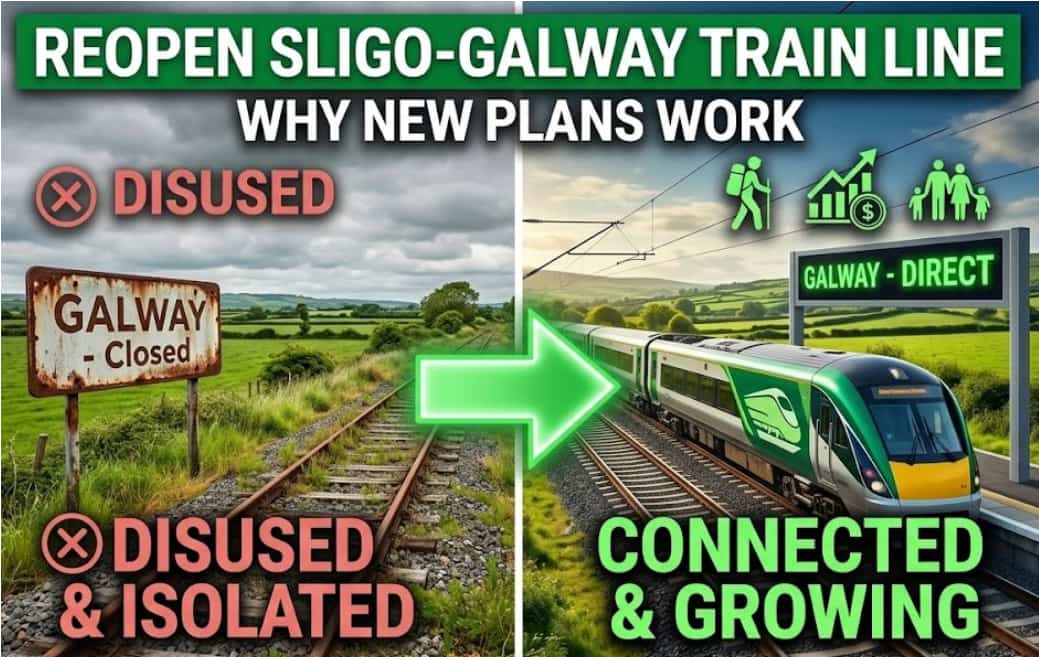
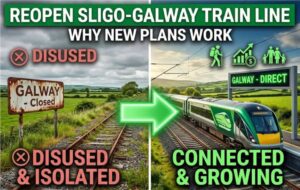
By Trains are becoming very popular in Ireland again. The government is spending a lot of money to build better railways all over the country. However, many people in the west of Ireland feel left behind. A new news report says it is time to reopen the old train line between Sligo and Galway. This project is a big part of the Western Rail Corridor. Local people and business owners say this train line is very important for the future of their towns.
Right now, if you want to travel from Sligo or Mayo to Galway, it is not easy. People must drive their cars or take long bus rides. Many students live in these areas and study at the big university in Galway. Without a direct train, their journey is slow and very difficult. A direct train would change everything for these young people. It would also help workers who need to travel between these large towns every single day.
Other parts of the country are getting wonderful new train services. For example, the train line from Limerick to Galway is open and very successful. Many people use it every day to go to work and school. The government is also planning to fix the tracks from Athenry to Claremorris. Because these projects are doing so well, experts say the next step must be the Sligo to Galway line. It makes perfect sense to connect all the big towns on the west coast together.
The European Union recently looked at Ireland’s money and economy. They found a big problem. The area around Dublin gets a lot of money and new building projects. But the western part of Ireland is not growing as fast. The report said the west needs better roads and railways to stay strong. Reopening the Sligo to Galway train line would bring more jobs and money to the area. It would help the west become just as successful as the east.
Building a brand new train line is very expensive. But the good news is that the old tracks between Sligo and Galway are still there. The government already owns the land. They even put new fences around the tracks a few years ago to keep them safe. Because the land is ready, fixing this old railway will cost much less money than building a new one from nothing. Supporters say it would only use a very small part of the national transport budget.
This train line is not just for passengers and students. It is also very important for big businesses. Factories in Mayo and Sligo make many different products. Right now, they must send everything by big trucks on the road. This creates a lot of heavy traffic and pollution. If the train line opens, these companies can send their goods by rail instead. Trains can carry heavy loads much easier than trucks. This will save businesses money and help protect the environment by cutting down on dirty air.
Tourism is another big reason to reopen the railway. The west of Ireland is very beautiful. Many visitors come from all over the world to see the wild ocean and the green hills. If there is a train connecting Sligo, Mayo, and Galway, tourists can travel easily. They will not need to rent cars and drive on small roads. They can relax and look out the window at the lovely views. This will bring many more visitors to local hotels, small shops, and restaurants.
People in the west are tired of waiting for help. They see new train stations and faster trains in Dublin and the south. They want the exact same good services in their own towns. The old train line is sitting empty right now, waiting to be used again. Reopening the Sligo to Galway route will bring communities together. It will help students, workers, businesses, and tourists. Now is the perfect time for the government to take action and get the trains moving in the west once more.
Ireland is planning major rail improvements, but the west remains underserved. Reopening the Sligo–Galway line, part of the Western Rail Corridor, could transform travel for students, workers, and businesses. The project would boost regional growth, reduce road traffic, support freight movement, and increase tourism. With existing tracks already in place, the plan is cost-effective and could play a key role in balancing Ireland’s economic development.