
 By
By The Indian Railways is undergoing a major change with the help of new technology. A company called Rail Vision has tested its special Mainline System on Indian trains, and the results are very successful. This system uses smart cameras and artificial intelligence to help train drivers see better and avoid accidents. As India continues to grow its railway network, using this kind of high-tech equipment is becoming very important for the safety of millions of people who travel by train every day.
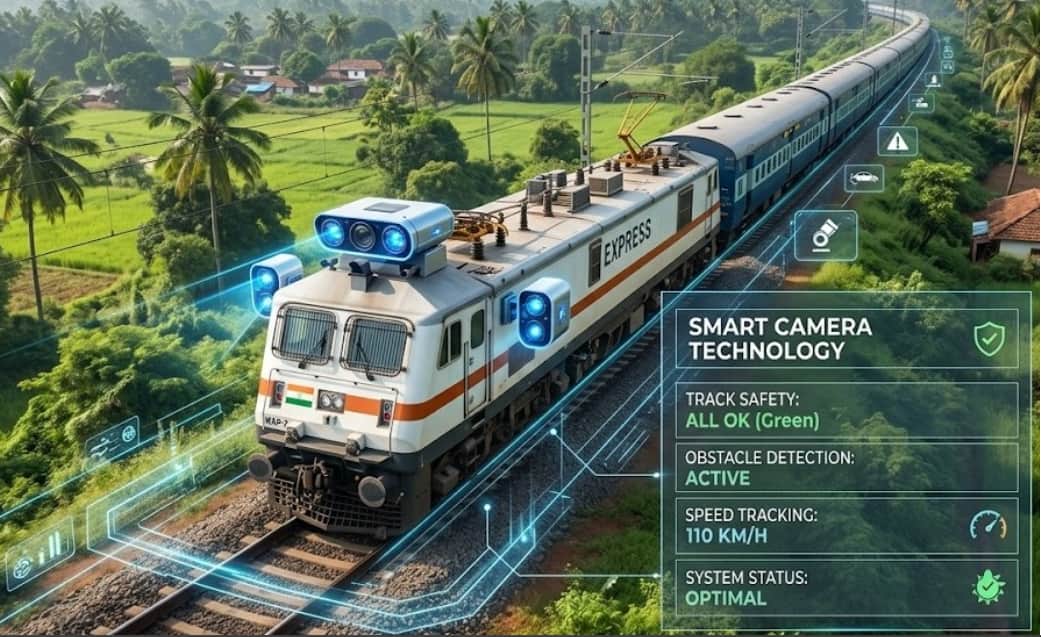
The Mainline System is like a set of super-powered eyes for the train. It uses advanced thermal cameras and regular cameras to look at the tracks far ahead. Even in bad weather like heavy rain, thick fog, or during the dark night, the system can see things that a human eye might miss. It can detect obstacles on the tracks from a very long distance. This gives the train driver enough time to slow down or stop the train before a collision happens. In a big country like India, where tracks often pass through forests or busy areas, this technology is a life-saver.
One of the best things about this system is how it uses artificial intelligence. The computer inside the system is trained to recognize different objects. It can tell the difference between a person, an animal, a car, or even a fallen tree on the tracks. When it sees something dangerous, it sends an immediate warning to the driver. This takes away the stress of constant watching from the driver and adds an extra layer of protection. The recent tests in India showed that the system works very well even in the tough and diverse environment of the Indian landscape.
The performance of the Rail Vision system in India has been described as very strong. During the testing phase, the system was able to identify obstacles accurately and provide alerts without many mistakes. This success is a big deal because the Indian railway system is one of the largest and busiest in the world. If technology can work well here, it can work almost anywhere. The leaders of the company are very happy with the results and believe that this is just the beginning of a long partnership with India.
Beyond just stopping accidents, this technology also helps in making the railway system more efficient. When drivers feel more confident because they have smart assistance, trains can maintain better speeds even when visibility is low. This means fewer delays for passengers and better timing for cargo trains. It also helps the railway department save money by preventing expensive accidents and damage to the trains or the tracks. Investing in such smart systems actually saves a lot of money in the long run.
The Indian government is already working on “Mission Raftar” and other projects to make trains faster. To have faster trains, you must have better safety systems. The Rail Vision Mainline System fits perfectly into this plan. It shows that the future of travel in India is not just about faster engines, but also about smarter computers and better cameras. This technology will help the Indian Railways become one of the most advanced railway systems in the world.
In conclusion, the successful performance of Rail Vision’s technology in India is great news for everyone. It means that journeys will become safer for passengers and easier for train drivers. As more trains get equipped with these smart eyes, we can expect a future where train accidents are very rare. This is a big step forward in using modern science to solve real-world problems. Everyone who travels by train can feel a bit more relaxed knowing that such amazing technology is watching over their journey.
Indian Railways is enhancing safety with Rail Vision’s AI-powered smart camera system. Using thermal and optical imaging, the technology detects obstacles in low visibility and alerts drivers in real time. Successful trials show improved safety, reduced accident risks, and better efficiency. This innovation supports faster, smarter train operations and aligns with India’s push toward modern, technology-driven railway infrastructure.