


 By
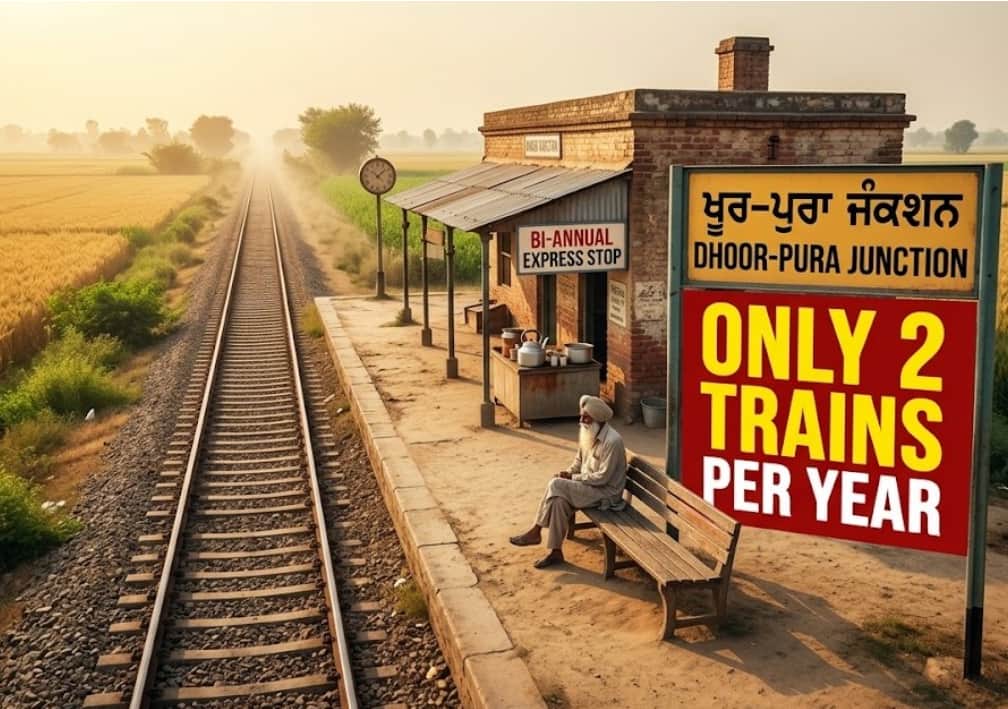
By India has one of the largest railway networks in the entire world. Most train stations in India are very busy places where thousands of people come and go every single day. However, there is a very unique and quiet railway station located in the state of Punjab that is different from all the others. This station is called the Sarai Naga railway station. What makes this place so special is that trains do not stop here every day or even every month. In fact, trains only run at this station twice a year. This unusual schedule has a very deep connection to history and the local culture of the people living in that area.
The Sarai Naga railway station is located in the Muktsar district of Punjab. For most of the year, the station looks very empty and silent. The tracks are there and the platform is ready, but no passengers are waiting for a ride. This is because the station was built for a very specific reason. It is linked to the birth anniversary and the life of Guru Angad Dev Ji, who was the second Guru of the Sikhs. The village of Sarai Naga is the birthplace of the Guru, which makes it a very holy and important place for many people. Because of this spiritual importance, the railway station is opened and used during special religious festivals.
The two times a year when the station becomes full of life are during the Gurpurab celebrations. During these special times, thousands of devotees and pilgrims travel from different parts of the country to visit the holy site. To help these people reach the village easily, the Indian Railways operates special trains that stop at Sarai Naga. During these few days, the quiet station transforms into a bustling hub of activity. People bring food, sing prayers, and gather to celebrate their faith. It is a beautiful sight to see the station so crowded and happy, even if it only happens for a short time.
Many people wonder why the station does not have regular trains throughout the rest of the year. The main reason is that the village is quite small and there are not enough daily passengers to keep the station running every day. In the past, there were more trains, but over time the numbers decreased. Now, the railway department only runs the service when they know a large group of people will be traveling there for the festivals. This helps the railway save money while still providing a very important service to the pilgrims who need to reach the birthplace of their Guru.
The local people of Sarai Naga feel very proud of their station. Even though it is quiet for three hundred and sixty days a year, they see it as a symbol of their history. They take care of the area and wait patiently for the festival seasons to arrive. When the train finally whistles and pulls into the platform, it brings a sense of joy and celebration to the whole village. It is a reminder of their heritage and the importance of their small town in the history of Punjab.
Traveling to Sarai Naga is a very different experience compared to going to a big city like Delhi or Mumbai. It shows the slower and more spiritual side of life in rural India. Visitors who go there during the festivals get to see a unique part of Indian culture where modern transport and ancient traditions meet. Even though the technology of the train is modern, the reason for the journey is very old and traditional.
The story of the Sarai Naga railway station is a great example of how the Indian Railways works to respect the diverse needs of the people. It shows that a station does not always have to be busy to be important. Sometimes, a place that opens only twice a year can hold more meaning and heart than a station that never sleeps. It remains a quiet hidden gem in the heart of Punjab, waiting for the next big celebration to welcome the trains once again.
Sarai Naga railway station is a unique station where trains stop only twice a year during Gurpurab celebrations linked to Guru Angad Dev Ji. Located in Punjab, it serves pilgrims visiting the holy birthplace. For most of the year, the station remains silent, making it a rare blend of railway history and cultural significance.